Paper Bags vs Plastic Bags: A Comparison of Durability and Cost
Issacindustry
🤖 Assistant
Paper Bags vs Plastic Bags: A Comparison of Durability, Cost, and Environmental Impact
Understanding the Pros and Cons of Paper and Plastic Packaging for High Traffic and Exposure
In today’s increasingly eco-conscious market, paper bags and plastic bags are two of the most commonly used packaging materials, and they continue to dominate discussions on sustainability, cost-efficiency, and durability. While plastic bags have long been favored for their strength and affordability, paper bags and paper boxes are gaining traction as viable alternatives. This article explores the key differences between paper bags and plastic bags, focusing on durability and cost, and highlights why paper boxes and paper bags are becoming essential for brands aiming to achieve high traffic and high exposure in their marketing strategies.
1. Durability: Paper Bags vs. Plastic Bags
Durability is a critical factor in packaging, as it determines how well a product can withstand transportation, storage, and usage.
-
Plastic Bags: Strength in Harsh Conditions
Plastic bags are celebrated for their exceptional durability, especially in demanding environments. Made from materials like polyethylene (PE) or polypropylene (PP), they are lightweight yet robust, capable of holding heavy items, resisting punctures, and withstanding moisture. This makes them ideal for applications such as grocery shopping, industrial storage, and food packaging. For example, plastic bags used in retail are designed for repeated use, while plastic bags in food sectors provide airtight sealing to preserve freshness. -
Paper Bags and Paper Boxes: Sustainable but Requires Innovation
Traditional paper bags are inherently less durable than plastic bags, as they can tear easily and degrade in wet conditions. However, advancements in materials and design have significantly improved their performance. For instance, paper boxes (such as corrugated cardboard boxes) are engineered with multi-layer composites and reinforced edges to enhance strength. Similarly, paper bags today often feature waterproof coatings or tear-resistant linings to match the functionality of plastic bags.In short, plastic bags remains the leader in durability for high-stress scenarios, but with the right modifications, paper bags and paper boxes can compete effectively in niche markets.
Key Takeaway: For critical applications like heavy-duty shipping or moisture-prone environments, plastic bags are still unmatched. However, paper boxes and paper bags are viable for lighter use cases, combining sustainability with modern engineering.
2. Cost Analysis: Paper Bags vs. Plastic Bags
Cost is often a deciding factor for businesses, especially when balancing production expenses with long-term sustainability goals.
-
Plastic Bags: Low Upfront Costs, Hidden Environmental Expenses
Plastic bags are generally cheaper to produce due to the low cost of raw materials like petroleum-based polymers. Their lightweight design also reduces shipping and storage costs, making them popular in large-scale industries. However, their environmental impact—such as long-term pollution and the energy required for disposal—adds to the hidden costs over time. -
Paper Bags and Paper Boxes: Higher Initial Costs, Long-Term Value
While paper bags and paper boxes have higher production costs compared to plastic bags, their value proposition extends beyond the initial price. For instance, paper boxes are often reusable or recyclable, which can lower long-term waste management expenses. Additionally, the growing demand for eco-friendly packaging has driven cost reductions in sustainable materials, making paper bags and paper boxes more affordable.Brands that prioritize sustainability can also leverage paper bags and paper boxes as marketing tools. A well-designed paper box or eco-friendly paper bag can attract environmentally conscious consumers, increasing high traffic on their websites or social media platforms.
Key Takeaway: Plastic bags are cost-effective in the short term, but paper boxes and paper bags offer better long-term economic and environmental value, particularly for brands targeting green audiences.
3. Environmental Impact: Why Paper Boxes and Paper Bags Matter
Sustainability has become a cornerstone of modern packaging, and the environmental performance of paper bags versus plastic bags is a hot topic.
-
Plastic Bags: Persistent Pollution Challenges
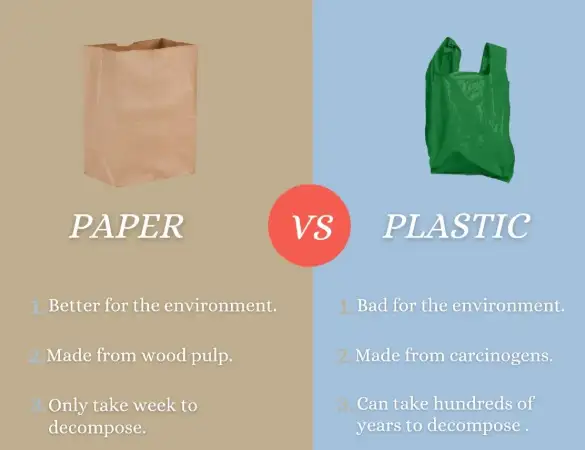
Plastic bags are a major contributor to environmental degradation. They take hundreds of years to decompose, often ending up in landfills or oceans. Even biodegradable alternatives like PLA bags face limitations, as they require industrial composting facilities to break down. -
Paper Bags and Paper Boxes: A Greener Choice for High Exposure
Paper bags and paper boxes are fully biodegradable and recyclable, aligning with global efforts to reduce single-use plastics. Their production typically uses renewable resources like wood pulp or recycled paper, further minimizing carbon footprints.For brands aiming to increase high exposure, paper box packaging is a standout. Eco-conscious consumers are more likely to engage with products that use paper bags or paper boxes, creating a positive impression and driving organic traffic. A paper box with minimalistic design or branded artwork can even serve as a marketing asset, generating buzz on social media and boosting a brand’s visibility.
Key Takeaway: Choosing paper boxes or paper bags not only reduces environmental harm but also positions your brand as a leader in high traffic and high exposure campaigns.
4. Application Scenarios: When to Choose Paper or Plastic
The suitability of paper bags or plastic bags depends on the specific use case, industry, and consumer expectations.
-
Plastic Bags: Ideal for Everyday Use
Plastic bags are still preferred in sectors requiring frequent reuse or exposure to extreme conditions, such as supermarkets, laboratories, and pharmaceutical packaging. Their versatility and cost-effectiveness make them a staple in daily life. -
Paper Bags and Paper Boxes: Customization for Branding and Innovation
Paper bags and paper boxes shine in scenarios where brand identity and customer engagement are priorities. Think about paper box designs used for luxury gift packaging, or paper bags with custom logos and eco-friendly claims. These choices resonate with eco-aware buyers, increasing high traffic on platforms like Etsy, Amazon, or Instagram.For example, startups in the sustainable fashion or beauty industries increasingly use paper bags as eco-friendly shoppers, while larger businesses opt for paper boxes to package products for eco-conscious retailers. Such strategies help brands achieve high exposure by appealing to both ethical and aesthetic values.
Key Takeaway: Paper boxes and paper bags are better suited for niche markets and branding initiatives, while plastic bags remains dominant in practical, high-volume applications.
5. Future Trends: The Rise of Paper-Based Packaging
The packaging industry is evolving rapidly, with paper boxes and paper bags taking center stage due to regulatory changes and consumer demand.
- Regulatory Drives: Governments worldwide are phasing out plastic bags, incentivizing the adoption of paper bags and paper boxes. For instance, the EU’s ban on single-use plastics has pushed many companies to replace plastic bags with paper boxes for shipping and packaging.
- Consumer Demand: Modern buyers, especially Gen Z and Millennials, prioritize high exposure and transparency. Paper bags and paper boxes are often seen as more trustworthy and aligned with ethical values, attracting attention on social media and online marketplaces.
- Innovation Opportunities: Brands can differentiate themselves by using paper box packaging with innovative features, such as modular designs for zero-waste packaging or paper bags with reusability claims. These approaches not only meet sustainability goals but also boost high traffic through unique selling points.
Key Takeaway: As high traffic and high exposure become more intertwined with sustainability, paper bags and paper boxes are poised to outperform plastic bags in both ecological and commercial contexts.
Conclusion: Balancing Durability, Cost, and Eco-Friendliness
When comparing paper bags and plastic bags, the decision hinges on balancing durability, cost, and environmental impact. While plastic bags are unmatched in strength and affordability, their long-term harm to the planet cannot be ignored. On the other hand, paper bags and paper boxes offer a sustainable alternative that aligns with global trends.
For businesses looking to enhance high traffic and high exposure, paper boxes and paper bags stand out as strategic choices. They not only support eco-friendly initiatives but also provide opportunities for brand storytelling and customer engagement. By investing in paper bags or paper boxes, companies can future-proof their packaging while appealing to a growing audience of environmentally conscious consumers.
In summary, paper bags and paper boxes are no longer just alternatives—they are now essential for brands aiming to thrive in a market where sustainability and visibility go hand in hand.