The Ultimate Guide to Food Packaging: Choosing the Right Paper Box for Chicken, Bread, and Burgers
Issacindustry
The Ultimate Guide to Food Packaging: Choosing the Right Paper Box for Chicken, Bread, and Burgers
Introduction: More Than Just a Container
In the competitive world of food service, packaging is your silent salesman. It's the first physical touchpoint your customer has with your brand after making a purchase decision. For popular items like chicken, bread, and burgers, the right paper box does more than just contain food—it preserves quality, enhances presentation, and extends your brand experience beyond the counter. This comprehensive guide explores how strategic packaging choices can transform your food business.
Why Paper Packaging Reigns Supreme in Food Service
The Environmental Advantage
Paper-based packaging offers significant sustainability benefits that resonate with today's eco-conscious consumers. Unlike plastic alternatives, paper boxes are:
- Biodegradable: Breaking down naturally without harming the environment
- Renewable: Sourced from sustainably managed forests
- Recyclable: Easily processed through standard recycling streams
- Compostable: Many options are suitable for commercial composting facilities
Functional Benefits That Matter
Beyond environmental considerations, paper boxes provide practical advantages:
- Excellent insulation: Keeping hot foods hot and cold items at optimal temperature
- Moisture resistance: Special coatings prevent sogginess without compromising sustainability
- Natural breathability: Preventing condensation that can make crispy foods soggy
- Structural integrity: Maintaining shape and protecting contents during transport
Specialized Packaging Solutions for Different Food Types
Chicken Packaging: Keeping It Crispy and Hot
The Challenge of Fried Chicken
Fried chicken presents unique packaging challenges. The perfect chicken box must:
- Allow steam to escape to maintain crispiness
- Withstand grease without becoming soggy
- Retain heat during delivery
- Provide secure stacking for multiple pieces
Optimal Box Designs for Chicken
- Vented boxes: Special perforations allow moisture escape while containing heat
- Wax-coated containers: Grease-resistant without PFAS chemicals
- Divided compartments: Prevent pieces from sticking together
- Large family packs: Designed to hold complete meals with sides
Pro Tip: Choose boxes with reinforced corners and secure locking mechanisms to prevent spills during transport.
Bread and Pastry Boxes: Presentation Meets Protection
The Art of Bakery Packaging
Bread and pastry boxes serve dual purposes: protecting delicate items while showcasing their appeal. Key considerations include:
- Window cutouts: Allow visual appeal without compromising structure
- Breathable designs: Prevent moisture buildup that makes crusts soft
- Elegant finishes: Matte coatings or embossing for premium presentation
- Secure closures: Twine holes or sticker panels for beautiful sealing
Specialty Boxes for Different Bakery Items
- Long loaf boxes: Specifically designed for baguettes and artisan breads
- Pastry clamshells: Individual compartments for delicate items
- Multi-compartment boxes: For assorted bakery selections
- Cake boxes: With reinforced bases and secure carrying features
Burger Packaging: The Ultimate Experience Unboxing
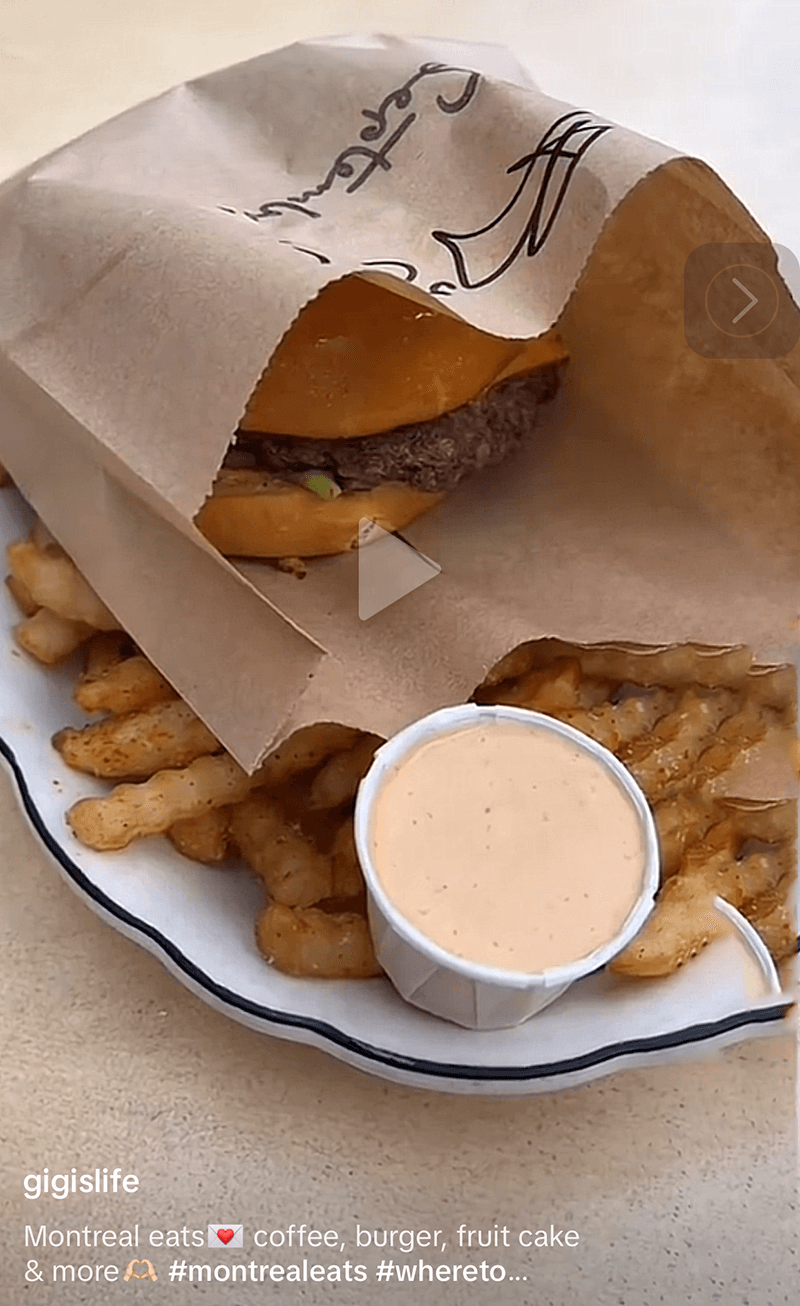
Engineering the Perfect Burger Box
A great burger box addresses several critical factors:
- Bun protection: Prevents top from getting crushed
- Heat retention: Keeps patty warm without steaming the bun
- Sauce containment: Special channels or separate compartments
- Easy access: Designed for comfortable eating directly from packaging
Innovative Burger Box Features
- Ventilation systems: Strategic placement to maintain crispiness
- Custom folds: Create natural handholds for easy eating
- Integrated fry holders: All-in-one meal solutions
- Special coatings: Grease-resistant interiors with sustainable materials
Material Considerations: Choosing the Right Paper Stock
Weight and Thickness Options
- 200-250 GSM: Standard weight for most applications
- 300-350 GSM: Premium feel for higher-end establishments
- 400+ GSM: Maximum durability for heavy or hot items
Coating Options and Their Applications
| Coating Type | Best For | Characteristics |
|---|---|---|
| PE Coating | General use | Good moisture resistance |
| PLA Coating | Eco-friendly | Compostable, made from plants |
| Water-Based | Recycling-friendly | Easily recyclable |
| Uncoated | Dry items | Most sustainable option |
Customization: Making Your Packaging Work Harder
Branding Opportunities
Your packaging is mobile advertising. Effective customization includes:
- Printed logos and branding: Consistent with your visual identity
- Custom colors: Matching your brand palette
- Special finishes: Spot UV, embossing, or foil stamping for premium appeal
- Informational panels: Ingredients, reheating instructions, or brand story
Structural Customization
- Unique shapes: Differentiate from competitors
- Special folds: Improve functionality and user experience
- Handle options: For better portability
- Window placements: Strategic product visibility
Sustainability: Meeting Modern Consumer Expectations
Certifications to Look For
- FSC Certified: Responsibly sourced materials
- Compostable certifications: ASTM D6400 or EN 13432
- Recycled content: Post-consumer waste percentages
- Chemical safety: PFAS-free and food-safe inks
The Lifecycle of Your Packaging
Understanding the complete environmental impact helps make informed choices:
- Sourcing: Sustainable forestry practices
- Manufacturing: Energy and water usage
- Transportation: Carbon footprint considerations
- End-of-life: Recycling and composting infrastructure
Cost Considerations: Balancing Quality and Budget
Factors Influencing Price
- Order quantity: Larger runs reduce per-unit cost
- Material thickness: Heavier stock increases price
- Customization level: Printing complexity affects cost
- Special features: Handles, windows, or unique structures
Maximizing Your Packaging Investment
- Standardize sizes: Reduce SKU complexity
- Plan inventory: Balance storage costs with bulk discounts
- Consider modular designs: Flexible for multiple menu items
- Evaluate total cost: Include storage, waste, and brand impact
Industry Trends: What's Next in Food Packaging
Emerging Innovations
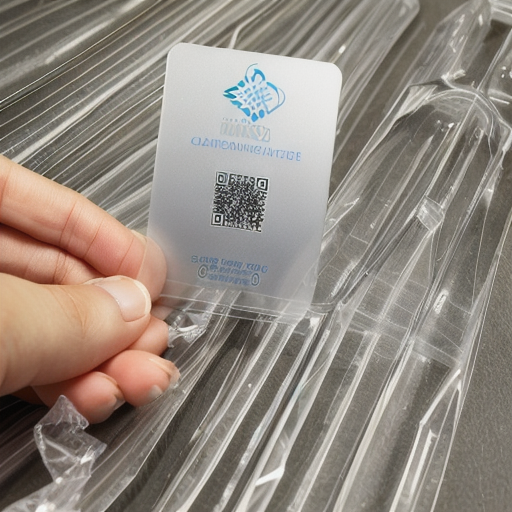
- Smart packaging: QR codes for nutritional information or promotions
- Enhanced sustainability: New plant-based coatings and materials
- Improved functionality: Better heat retention and moisture control
- Experiential unboxing: Creating memorable opening experiences
Consumer-Driven Changes
- Transparency demands: Clear sourcing and disposal information
- Convenience focus: Easy-open features and eating-friendly designs
- Visual appeal: Instagram-worthy presentation elements
- Health consciousness: BPA-free and chemical-safe materials
Practical Implementation Guide
Assessing Your Needs
- Menu analysis: Which items need packaging?
- Transport considerations: Delivery vs. takeaway requirements
- Brand positioning: Premium vs. quick-service expectations
- Volume projections: Realistic usage estimates
Supplier Selection Criteria
- Experience with food packaging: Understanding of specific requirements
- Customization capabilities: Flexibility to meet your needs
- Sustainability credentials: Aligned with your values
- Reliability: Consistent quality and on-time delivery
Testing and Refinement
- Sample testing: Evaluate real-world performance
- Customer feedback: Gather input on usability
- Staff training: Proper handling and assembly
- Continuous improvement: Regular review and optimization
Conclusion: Packaging as a Strategic Business Tool
The humble paper box for chicken, bread, and burgers has evolved from simple container to strategic business asset. The right packaging solution does more than hold food—it enhances product quality, strengthens brand identity, meets sustainability expectations, and improves customer satisfaction. By understanding the specific requirements of different food items and making informed choices about materials, design, and customization, food businesses can turn packaging from an expense into a valuable investment that drives growth and customer loyalty.
The most successful food establishments recognize that every element of the customer experience matters—and packaging is often the element that travels farthest, lasts longest, and makes the deepest impression. Choose wisely, and your packaging will work as hard as your kitchen does to deliver exceptional experiences.
Ready to elevate your food packaging? Contact us for a custom consultation and samples tailored to your specific chicken, bread, and burger packaging needs.